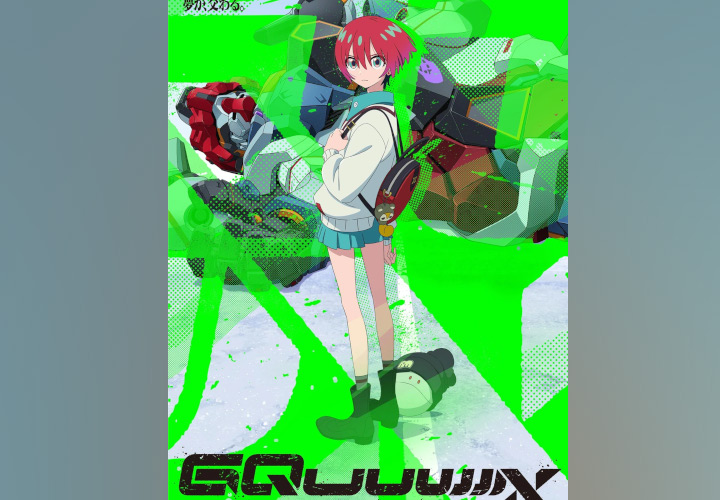
Mobile Suit Gundam
Legends of the Universal Century

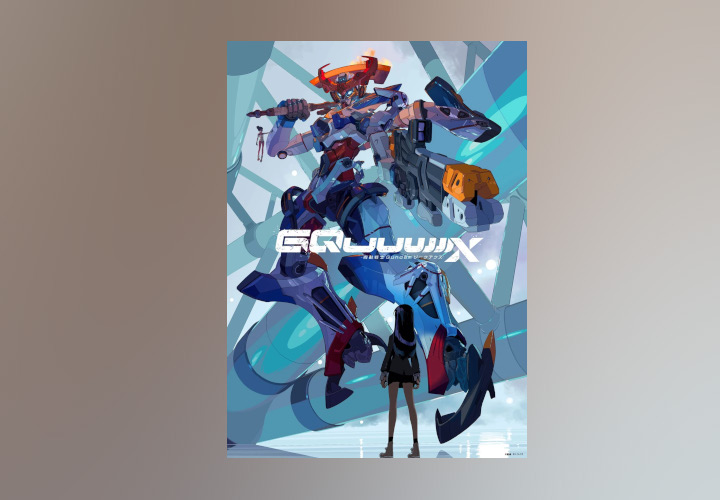
Mobile Suit Gundam is a legendary science fiction franchise that began in 1979 and has since grown into a cultural phenomenon. At its core, Gundam explores the use of giant humanoid robots, known as "mobile suits," in futuristic warfare. What sets Gundam apart from other mecha series is its realistic take on war, politics, and human emotion. The original series introduced the now-iconic RX-78-2 Gundam and set the foundation for an expansive universe filled with memorable characters, intense battles, and deep philosophical questions. The Gundam franchise spans decades of animated series, films, manga, novels, and plastic model kits known as Gunpla. I want to share some of my favorite parts of this classic Japanese franchise.
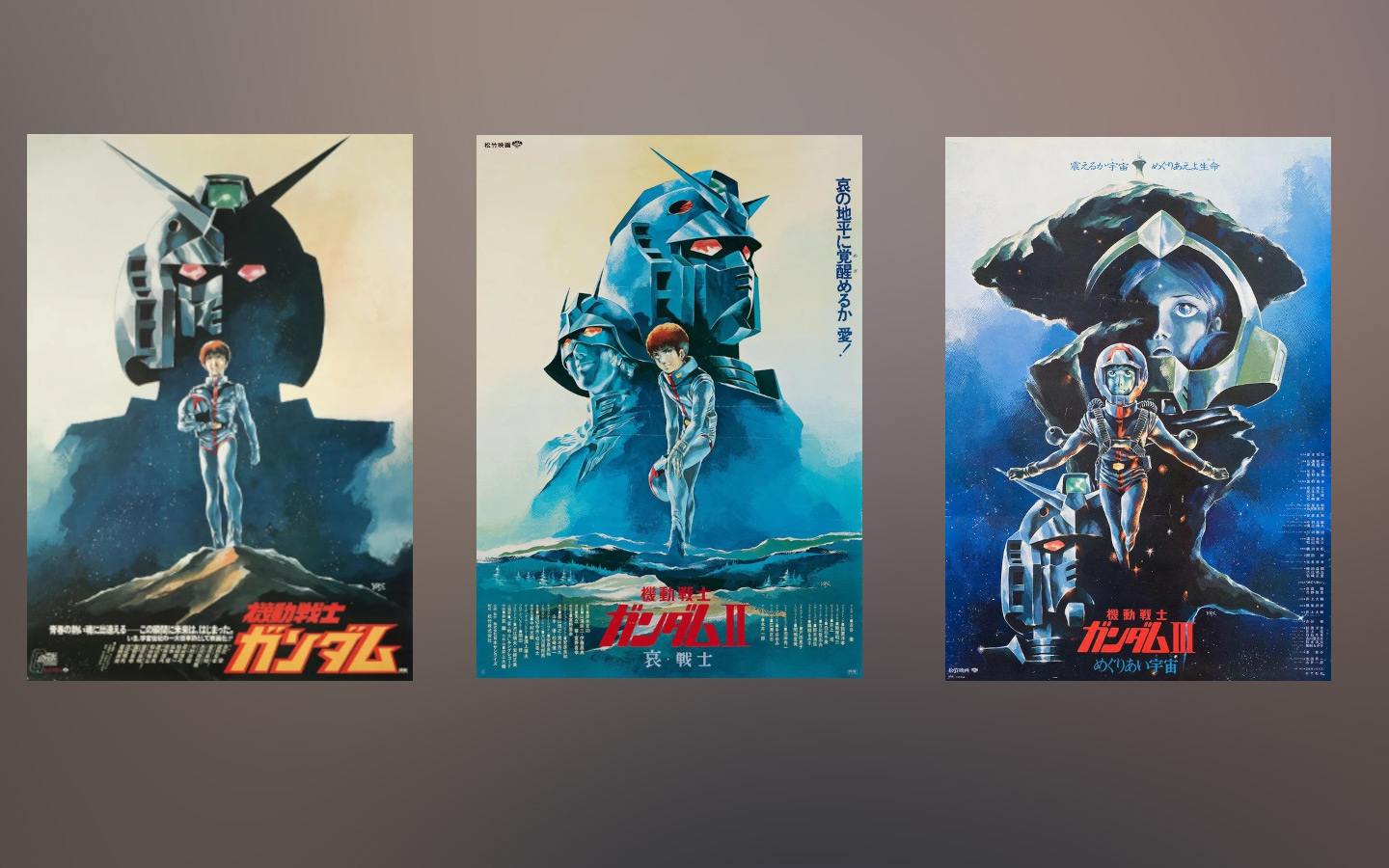
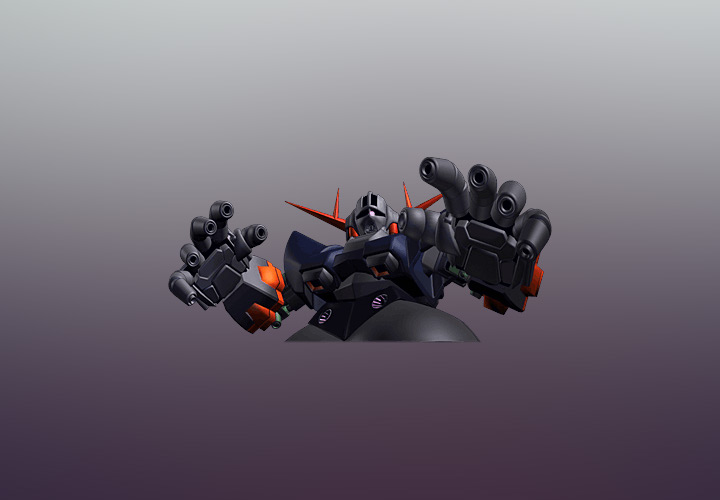
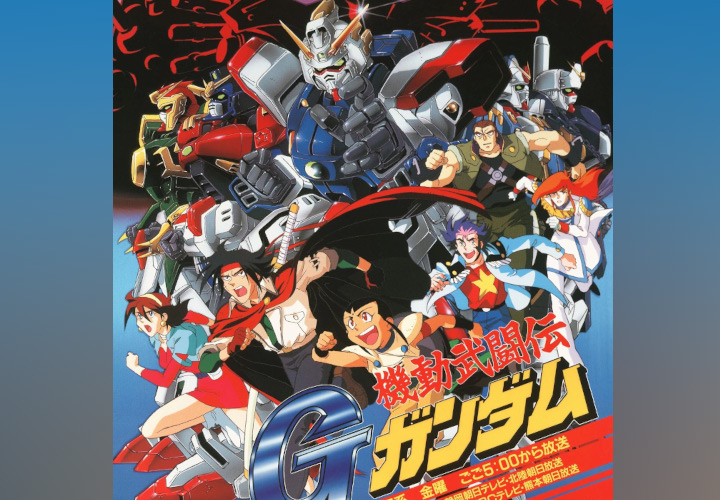
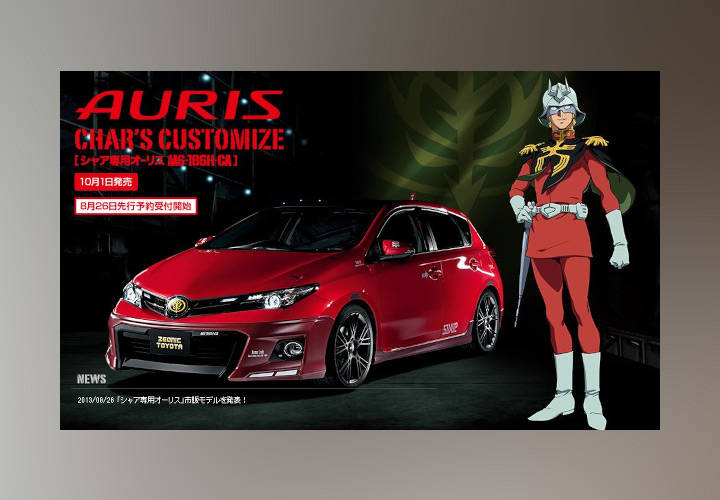
This website is a guide to the world of Mobile Suit Gundam. Whether you're a newcomer or a life-long fan like me. We will explore a couple of different timelines, iconic mobile suits like the RX-78 and God Gundam, and the philosophical themes that define the franchise. We'll focus particularly on the Universal Century timeline, where it all began. Get to know the machines that shaped the battlefield, and reflect on the deeper messages hidden beneath the armor plating. I'll show you my favorite spin-off timeline of Mobile fighter G gundam. We will also see how to connect in our real life with the mobile suits from your favorite shows As a fan of both storytelling and design, I hope this site helps you appreciate Gundam as both a cultural icon and a source of personal inspiration.
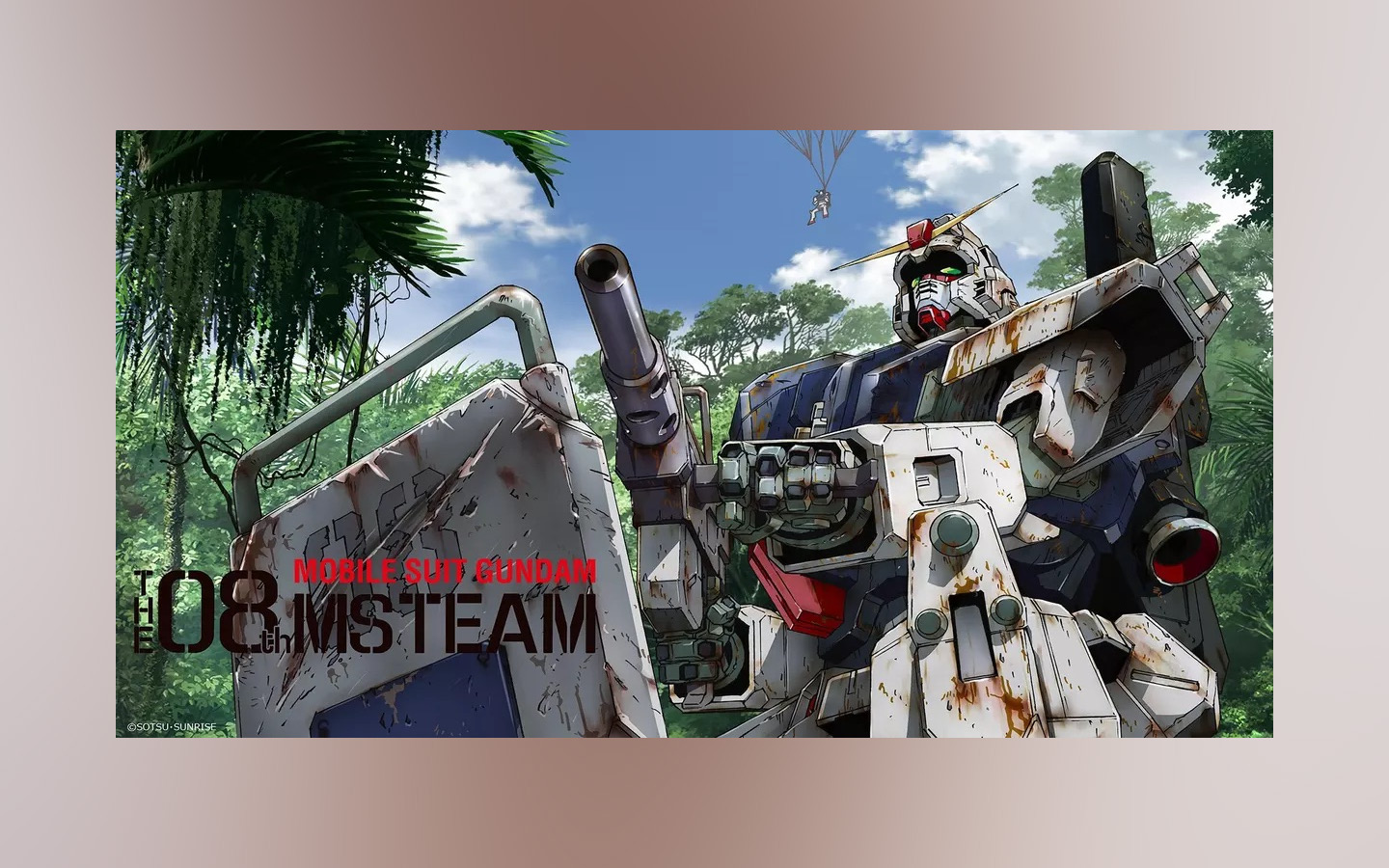
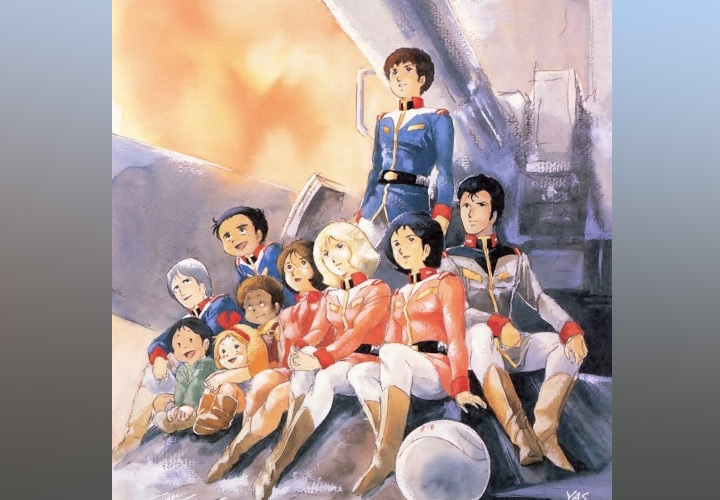
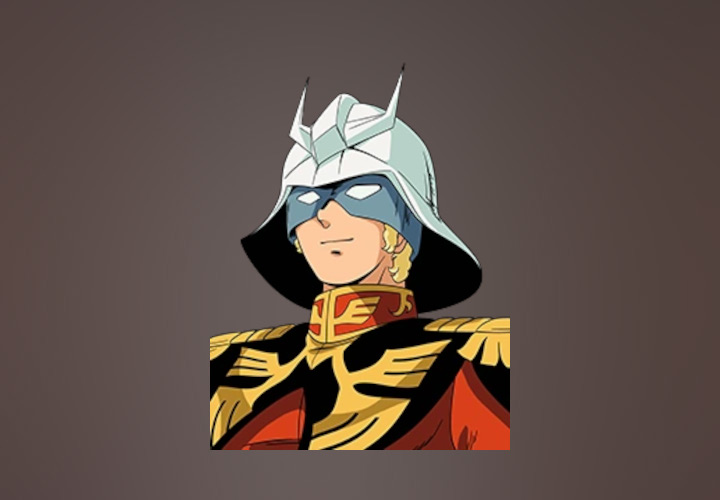
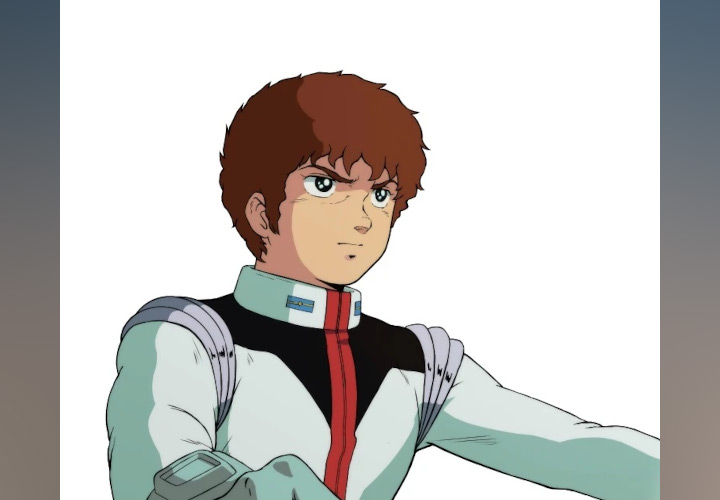
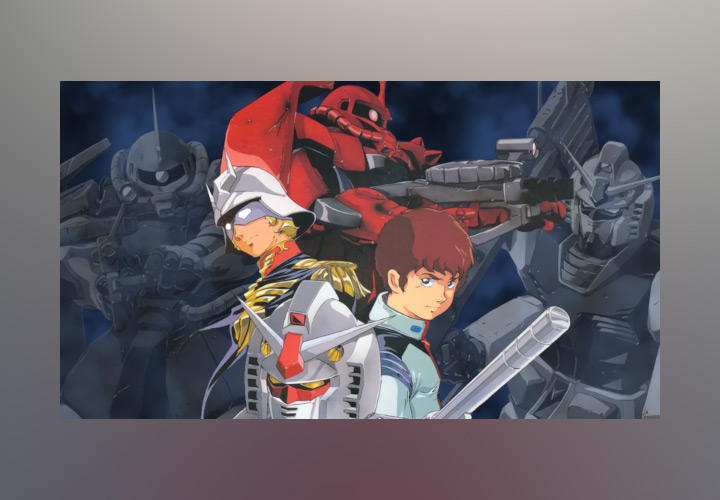
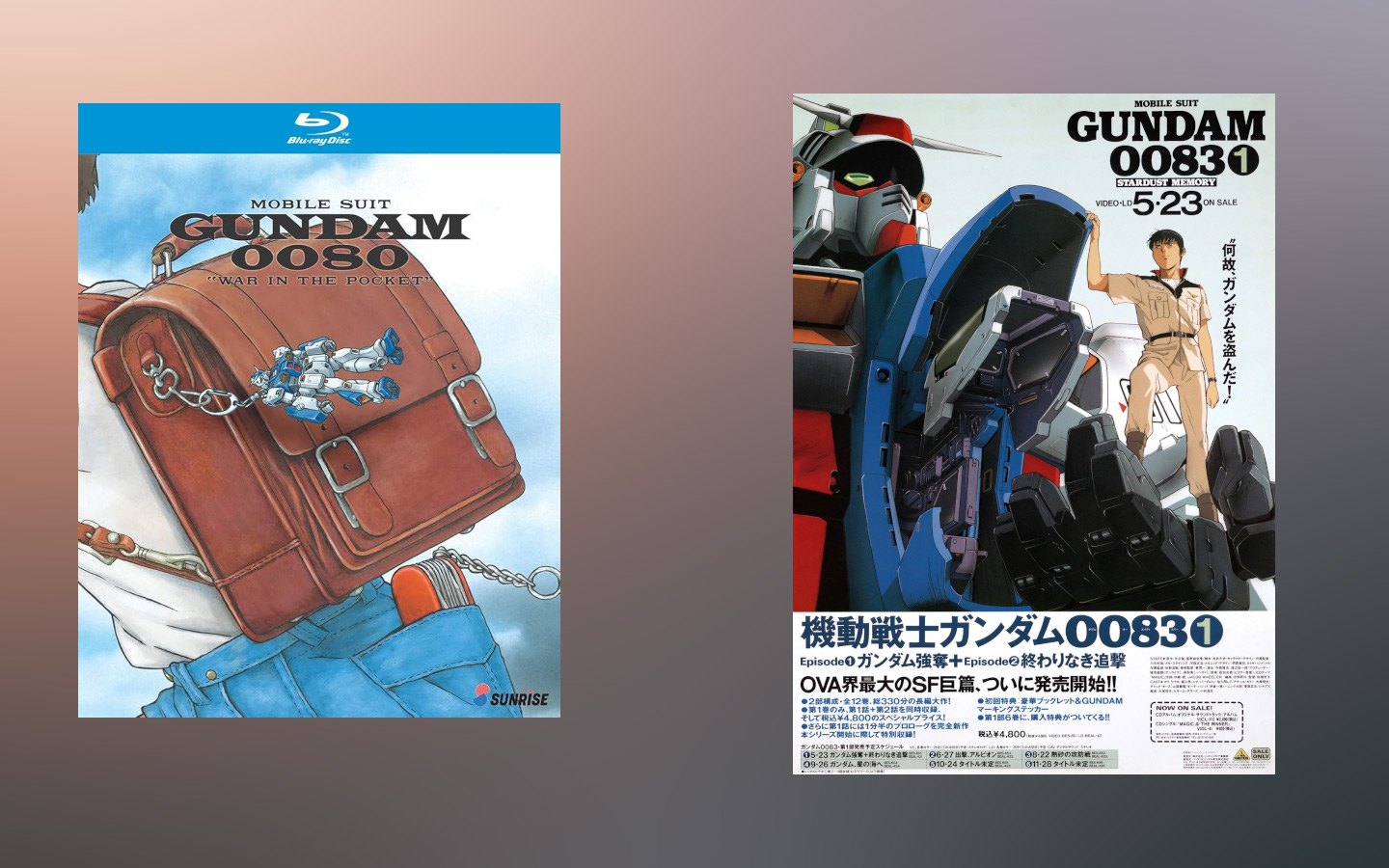
The Universal Century (U.C.) is the original timeline in the Gundam franchise and the foundation for many of its most iconic stories. Beginning with the launch of space colonization, the U.C. timeline chronicles humanity’s expansion into space and the inevitable conflicts that arise between the Earth Federation and the colonies. This era introduced the concept of "Newtypes" evolved humans with heightened spatial awareness. Unforgettable characters like Amuro Ray and Char Aznable. The original Mobile Suit Gundam series (0079) set the tone with its gritty depiction of war, politics, and the blurred line between hero and villain. Throughout the U.C. timeline, major events such as the One Year War, Gryps Conflict, and Char's Rebellion shaped the course of history. Spin-offs like my two favorites in the UC Gundam 0080, 08th MS Team, and more recent entries like Gundam Unicorn and Hathaway further expand the lore and perspectives of both soldiers and civilians caught in the crossfire. The Universal Century doesn't just tell a story, it builds a living world. With each series, the political, technological, and emotional consequences of war are explored in depth, making the U.C. era a compelling reflection of real-world conflict through a sci-fi lens.
Child Soldiers: Innocence Lost in War. A recurring theme in Gundam is the use of child or untrained civilian soldiers. Amuro Ray in the original series is a teenager thrown into battle, representing how war forcibly involves the young and unprepared. This reflects the real-world impact of war on youth and how innocence is often lost. Many Gundam protagonists are thrust into conflict, highlighting how personal agency is stripped away during war. Gundam doesn’t glamorize child soldiers; instead, it critiques the systems that make such scenarios In series like Iron-Blooded Orphans, the theme is even more explicit, showing how orphans are manipulated, dehumanized, and used as tools for adult agendas. These stories act as both dramatic fiction and social commentary, challenging viewers to consider the real-world implications of war, responsibility, and the value of life. Through the eyes of young pilots, Gundam reminds us of the cost of conflict and the importance of breaking the cycle.
At its core, Gundam is a powerful anti-war series. It doesn't glorify battles or present war as heroic—instead, it focuses on the devastation, trauma, and loss that come with conflict. Civilian casualties, destroyed colonies, and emotionally broken characters are a constant reminder that war is a tragedy, not a spectacle. This theme remains consistent across most series in the franchise.
In Gundam, morality is rarely black and white. The series often portrays both sides of a war as having valid reasons for fighting, making it difficult to label one as purely "good" or "bad." Whether it's the Earth Federation or Zeon, Gundam challenges viewers to consider perspective and the role propaganda, nationalism, and power play in shaping beliefs. It forces the audience to question who the real enemy is, or if there is even such a thing in war.